


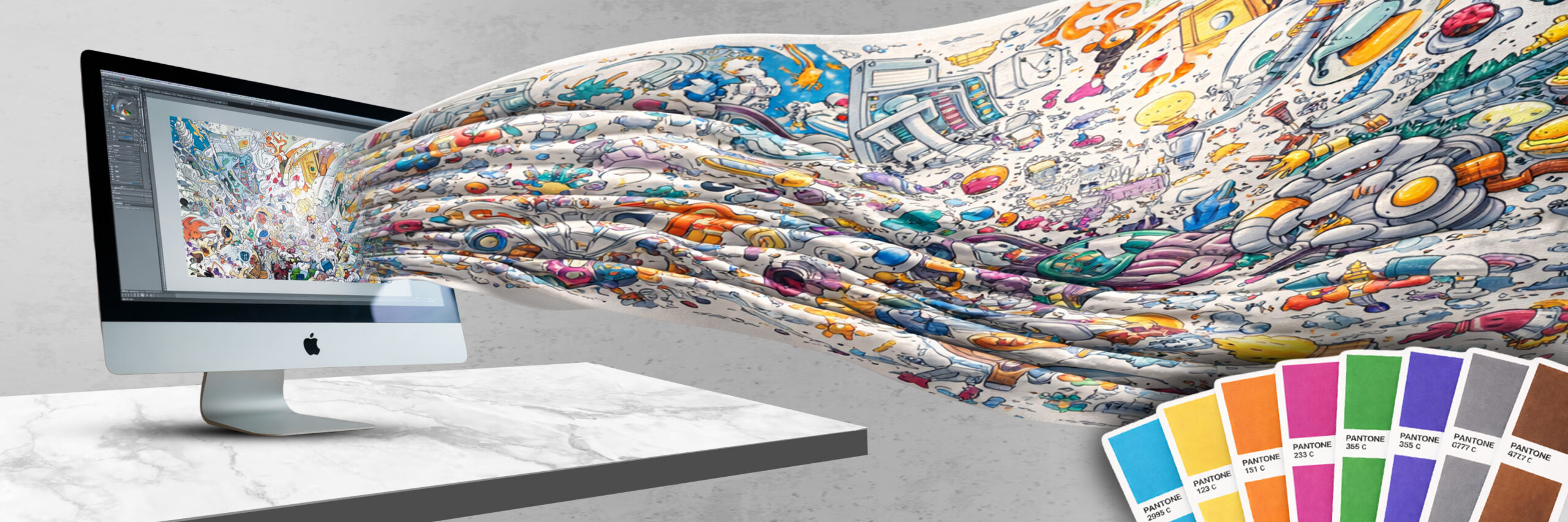
Custom printed fabric is becoming increasingly popular in South Africa, as fashion designers, clothing brands, interior decorators, and small businesses look for ways to create unique, original textiles.
Thanks to modern digital fabric printing, it is now possible to print high-quality designs on polyester and cotton fabrics with incredible colour detail and flexibility.
However, before placing your first order for custom printed fabric, there are a few important things you should understand, including fabric types, printing methods, artwork requirements, and colour expectations.
This practical guide explains everything you need to know before ordering digitally printed fabric in South Africa.
 Why Custom Printed Fabric is Growing in South Africa
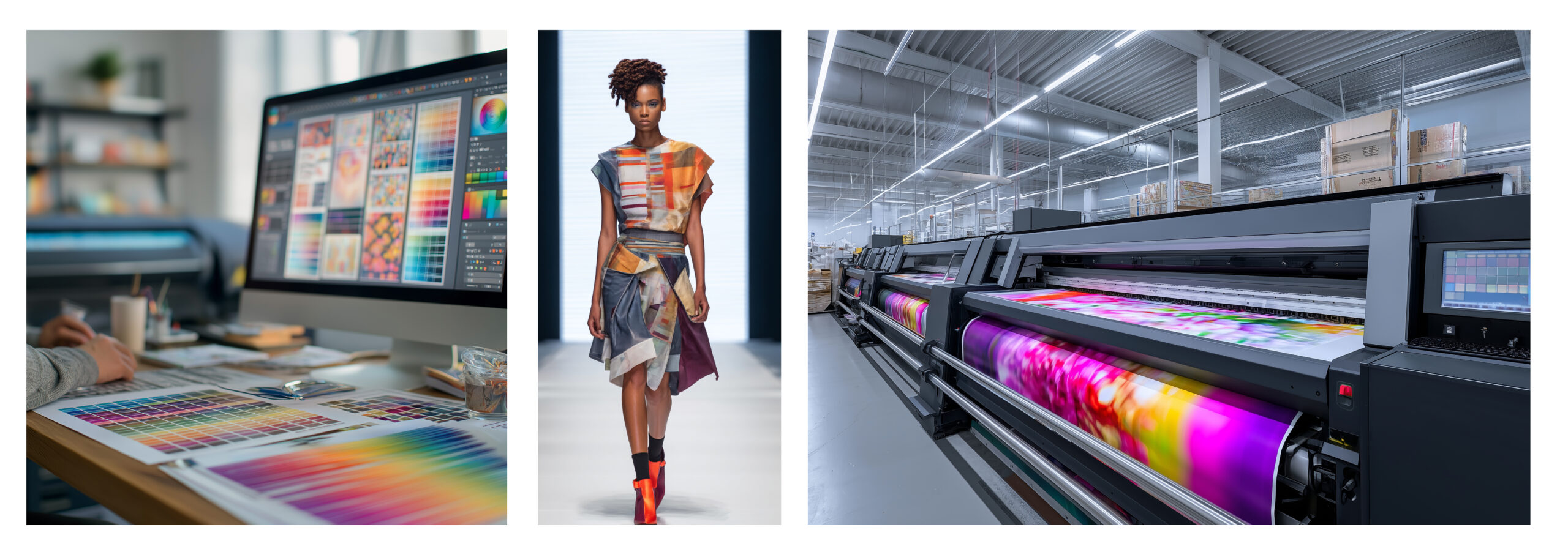
Digital textile printing has transformed how designers and brands produce fabric. Instead of ordering thousands of metres using traditional screen printing, businesses can now print smaller runs with highly detailed artwork.
This has made custom fabric printing especially valuable for fashion designers creating new collections, independent clothing brands, textile designers and illustrators, interior décor and upholstery businesses, event planners and promotional companies.
With on-demand textile printing, designers can test ideas, launch capsule collections, and produce unique prints without high upfront costs.
 Polyester vs Cotton: Choosing the Right Fabric for Digital Printing
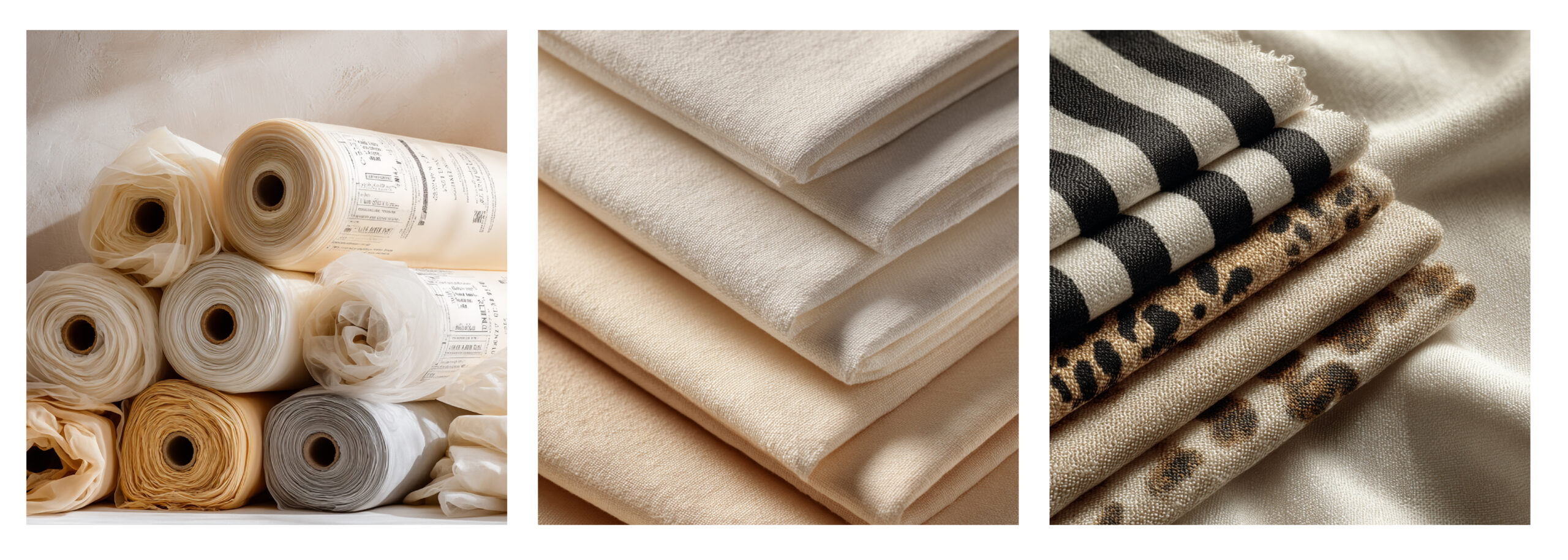
When ordering custom-printed fabric, the two most common options are polyester fabrics and cotton fabrics. Each uses a different printing technology and produces slightly different results.
Polyester Fabric Printing (Sublimation Printing)
Polyester fabrics are typically printed using dye-sublimation printing, where heat transfers ink directly into the fibres of the fabric. This process creates prints that become part of the fabric itself, rather than sitting on the surface
Benefits of Polyester Digital Printing
- Vibrant colours
- Sharp design details
- Excellent wash durability
- No cracking or fading of the print
- Smooth print finish.
Trending polyester fabrics for 2026 include popular polyester fabrics used in digital textile printing:
- Poly Satin
- Chiffon
- Engineered Performance Blends
Best Uses for Polyester Printed Fabric
Polyester printing is commonly used for:
- Fashion garments
- Activewear and sportswear
- Dresses and blouses
- Scarves and accessories
Because polyester holds colour so well, it is ideal for bold prints and vibrant patterns.
Cotton Fabric Printing
Cotton fabrics are printed using reactive inks, which bond with natural fibres to produce a soft and breathable finish.
Unlike polyester sublimation, cotton printing retains the natural feel of the fabric.
Digital Fabric Solutions is the largest digital reactive printing plant in Africa. Digital Fabric Solutions is known for the best vibrancy of colour, which makes us different from other cotton fabric printers.
Benefits of Cotton Fabric Printing:
- A soft natural texture – even after printing, the fabric remains soft, breathable and comfortable.
- Colours on cotton also retain depth and detail.
Common cotton fabrics used in digital printing include:
- Cotton Poplin
- Viscose
- Cotton Voile
- Nylon
- Rayon
- Linen
Cotton is used for ladies’ and men’s garments, kids’ wear, and home décor.
For designers looking for a natural, breathable fabric, cotton is often the best choice.
Artwork Requirements for Custom Fabric Printing
Preparing your artwork correctly is one of the most important steps when ordering digitally printed fabric. Professional printers typically recommend the following file specifications:
Recommended artwork setup
- Resolution: 300 DPI minimum
- File format: TIFF, PSD, or high-quality PNG
- Colour mode: RGB
- Pattern repeat: Seamless repeat tile
- Correct scale for the final fabric print.
If you are printing a repeating pattern, ensure the artwork is perfectly seamless to avoid visible lines in the fabric. This is especially important for fashion prints.
 Understanding Colour in Digital Fabric Printing
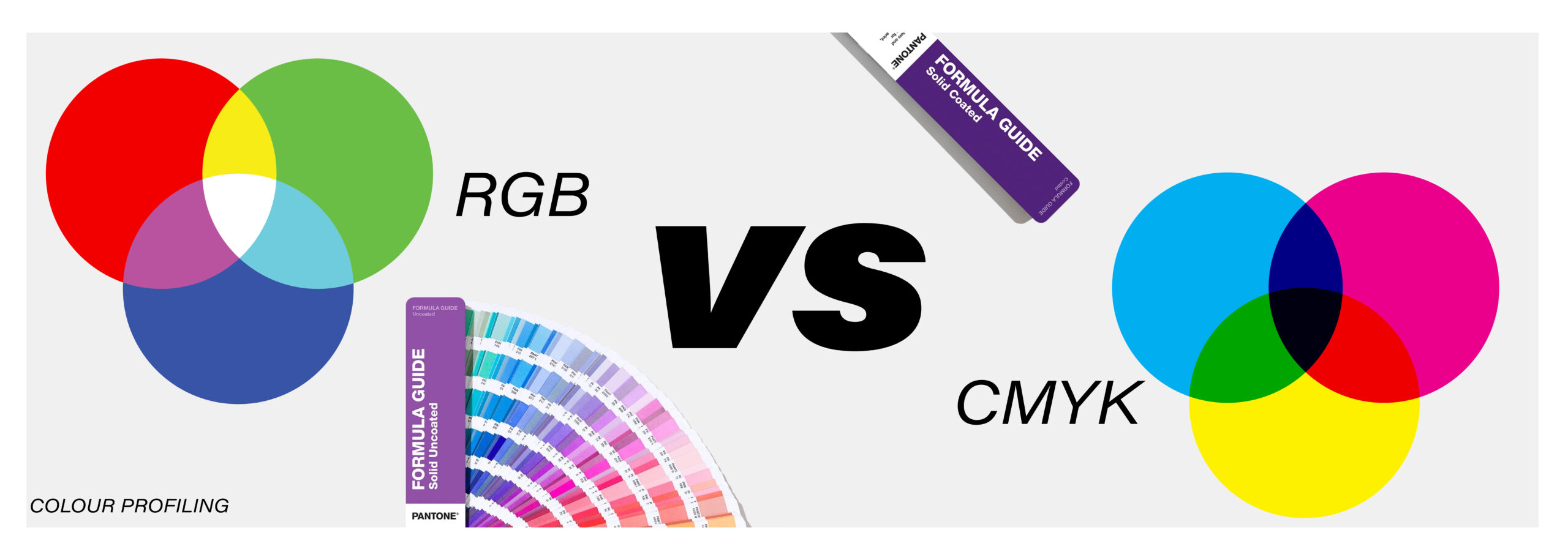
Colours on fabric can sometimes appear slightly different from what you see on your screen. This is because:
- Computer monitors display colour using light (RGB)
- Fabric printing uses ink absorption
- Different fabrics absorb colour differently
For this reason, most professional printers recommend ordering a strike-off sample before printing large quantities, to ensure colour accuracy and correct design scale.
Colour accuracy is a key part of digital fabric printing. Before placing a full order, it is strongly recommended to request a strike-off sample.
At DFS, we recommend ordering approximately three metres for your strike-off. This allows you to properly assess the colour, design, and overall fabric quality before committing to bulk production.
One of our experienced sales team members can guide you through the process. We also recommend submitting your pattern along with colour references or codes, as this helps achieve the closest possible match to your intended design.
It is advisable to create a sample garment using the three-metre strike-off. This will help you see how the fabric looks and behaves in a finished product.
Additionally, making a sample garment allows you to calculate your fabric usage more accurately, ensuring you order the correct quantity while avoiding unnecessary waste and extra costs.
 Minimum Orders for Custom Fabric Printing
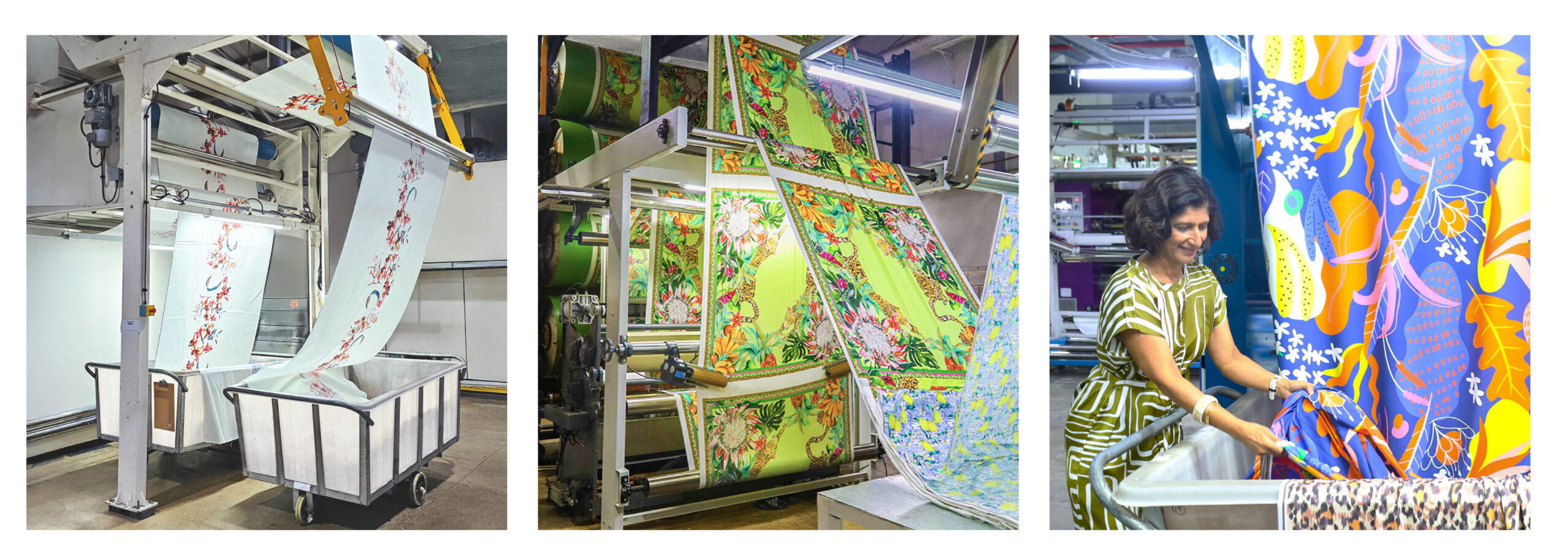
One of the biggest advantages of digital textile printing is the ability to print small quantities.
Unlike traditional screen printing, digital printing allows:
- Sampling small amounts of fabric
- Producing limited edition prints
- Printing on demand
- Avoiding large minimum orders.
This is especially helpful for emerging fashion designers and startup brands who want to test designs before full production. At Digital Fabric Solutions, our minimum order quantity is 100 metres over two prints.
Turnaround Times for Fabric Printing in South Africa
Turnaround time depends on the fabric type, order size, and printer capacity.
Typical timelines include:
- Sampling: 7- 10 working days
- Bulk orders: 15 to 20 working days.
Planning is recommended if you are preparing for fashion production, retail launches, or seasonal collections.
Why choose DFS as your trusted fabric printing partner?
At Digital Fabric Solutions, we’re all about bringing your ideas to life — exactly the way you imagined them.
As a leading provider of digital fabric printing in South Africa, we’re especially known for our exceptional colour vibrancy, delivering rich, bold, and true-to-life results that make your designs stand out.
Whether you’re a startup label or an established brand looking for custom printed fabric in South Africa, we support a wide range of creative needs — from fabric printing for fashion designers to custom printed fabric for clothing brands.
Here’s what you can expect when working with us:
- A versatile range of premium options, including polyester fabric printing and cotton fabric printing, suited for various applications
- Advanced digital textile printing services using high-resolution equipment for sharp, detailed results
- Expertise in sublimation fabric printing, perfect for vibrant, long-lasting prints on polyester fabrics
- Colour testing and sampling to ensure your custom textile printing is exactly right before production
- Hands-on artwork support to help refine your designs for print
- Reliable turnaround times to keep your production on track
Our experienced Durban-based team works closely with you every step of the way, ensuring your prints reflect your vision with precision and consistency.
If you’re looking for high-quality digital fabric printing in South Africa, DFS is your go-to partner for bringing fabric ideas to life.
Our experienced Durban-based team works closely with you every step of the way, making sure your final fabric prints stay true to your creative vision — no surprises, just quality.
Sustainability and Digital Textile Printing
Digital fabric printing is also gaining attention for its environmental advantages compared to traditional textile printing methods. At DFS, we maximise on sustainability by lowering water consumption in our production methods. Many fashion brands are now using digital printing as part of a more sustainable textile production strategy.
 Final Thoughts
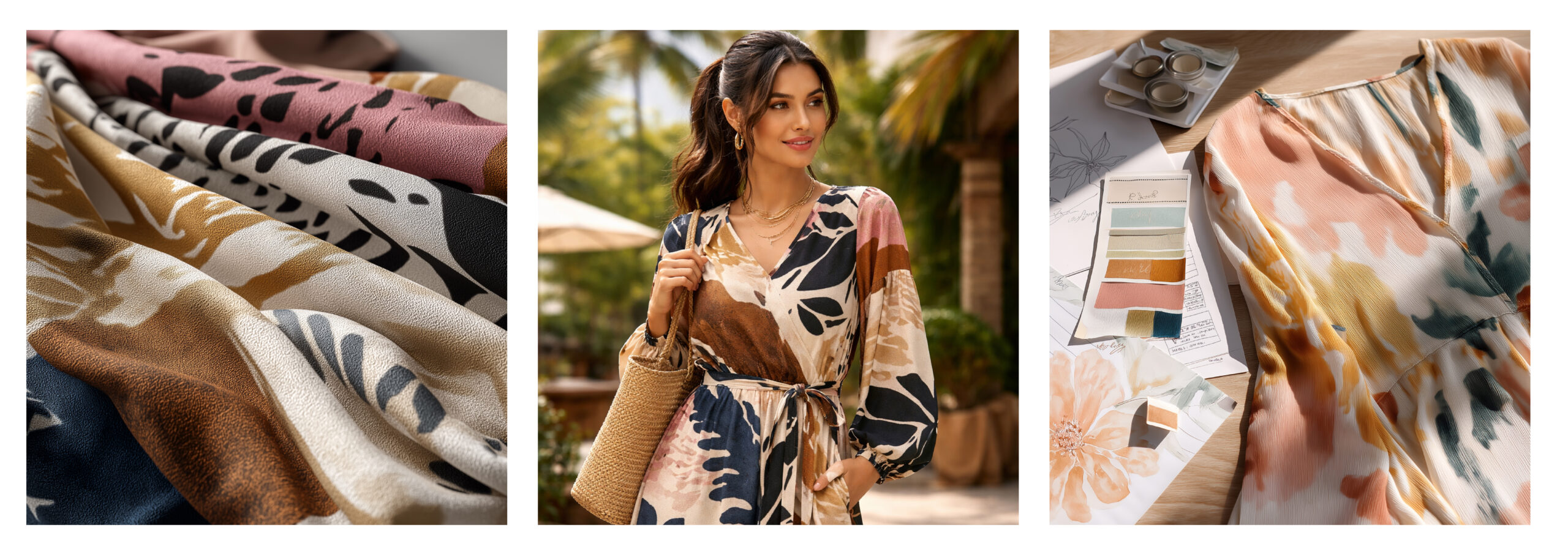
Custom printed fabric allows designers and businesses to transform their ideas into unique textiles with incredible detail and flexibility.
Whether you’re creating fashion collections, home décor products, or promotional textiles, understanding fabric types, printing processes, and artwork preparation will help ensure the best results.
By choosing the right fabric and working with a professional digital printer, you can produce high-quality custom textile prints that bring your designs to life.
- Book a strike-off today or speak to our team to explore how DFS can power your next collection.
